Rats live inside your walls before you see one
Rats follow fixed routes between a food source and a nesting place, and those routes often run inside walls, above suspended ceilings or behind kitchen appliances. The gnaw marks you find on wiring, food packaging or the edges of wooden furniture are signs of regular movement along an established path.
Call or message us on WhatsApp, tell us what you have noticed and which district you are in, and we agree a time to trace the runs and place bait at the right points.
- Entry points
- Nesting sites
- Bait placement
What does rat control cover?
These are the stages the work goes through in the property, depending on where the activity is, the building type and what you have noticed.
- Tracing the runs
Rats leave greasy smear marks on walls and floors along the routes they use. We trace those marks first so bait goes where rats actually travel, not in random spots.
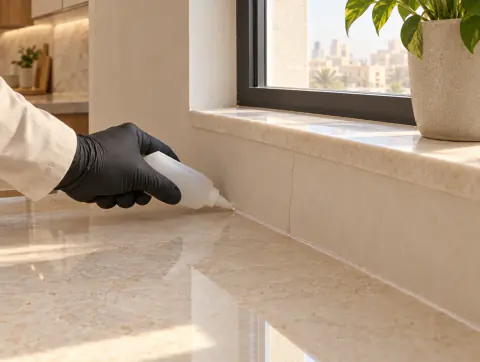
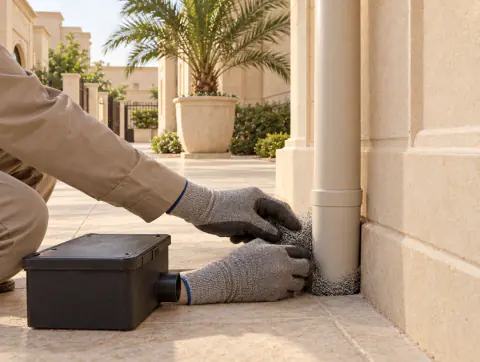
- Wall and floor entry gaps
A rat can enter through a gap the size of a coin at the base of a wall or around a pipe. We identify and record those openings because sealing them is part of solving the problem.
- Kitchen and food storage
Behind the fridge, under the sink and inside food cupboards are among the nesting spots rats favour in many homes. We check them carefully because rats nest close to a food source.
- Suspended ceilings and wall cavities
Night-time movement sounds in the ceiling mean rats are using cavities as a corridor. We place bait at access points to those hidden spaces where the movement is actually happening.
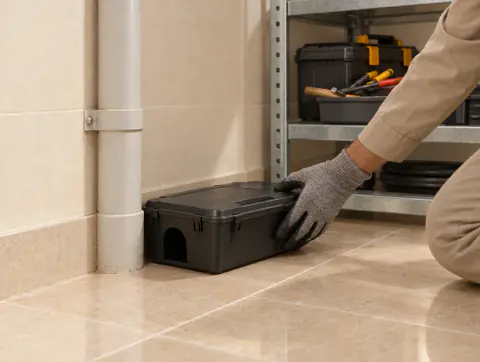
- Bait station placement
Bait stations go in the runs we have identified, placed out of reach of children and pets, and each one is noted down so it can be checked properly.
- Back rooms and storage areas
Storage rooms full of cardboard and fabric are suitable nesting ground because they are quiet and rarely disturbed. We check them even if you have not noticed any activity there yourself.
How do we start?
Three simple steps, and we take care of the rest.
Call or message us on WhatsApp
Tell us the service you need and your district.
Tell us what you have noticed
Tell us where you found gnaw marks or heard movement, whether the activity is in the kitchen, the ceiling or elsewhere, and which district you are in.
We agree a time and you prepare
We settle on a time, and you clear food cupboards and keep children and pets away from the areas where we will be working.
Inspection, treatment and check
We trace the runs and place bait stations at the right points. In the following days, watch for signs: silence in the ceiling and no new gnaw marks are indicators that the treatment is working.
A service that comes to your door
- We come to youOur team arrives at your home with its equipment.
- One callCall or message us on WhatsApp and we arrange the rest.
- Other pests, same teamWe also treat cockroaches, ants, termites, bed bugs, mosquitoes and pigeons, all with the same team.
- Describe the problem in your own wordsA call or a WhatsApp message is enough to explain what you are noticing at home.
One worry is that rats stay in the home after treatment because bait was placed in the wrong spots. That is why we trace the actual runs before anything else and note every station's location. Leave the work to us and watch for the signs in the days that follow.
Photos of our work




























What our customers say
افضل شركة تنظيف
نظافة و احترافية بالاداء خصوصا الفريق المصري
ماشاء الله تبارك الرحمن علي الشغل إخلاص وامانه
Questions about Rat control
I found chewed wiring, does that mean rats for certain?
Gnawing on wiring and plastic pipes is typical rat behaviour because their teeth grow continuously and need to be worn down. The difference from insects is the size of the mark and the presence of small cylindrical droppings nearby. If you see both together, rats are the likely cause. Tell us what you found when you call.
What should I prepare specifically before the rat control visit?
Clear food cupboards in the kitchen and put food in sealed containers. Keep children and pets away from the work areas. If you hear movement in a particular ceiling, mention it when you call so we arrive prepared for access to it.
The sounds in the ceiling stopped after the visit, is the problem finished?
Silence and no new gnaw marks in the following days are good signs that the bait is working. But if the entry gaps in walls and floors stay open they remain a way in for new rats from outside. That is why we record them for you during the inspection.
Does where the bait goes change how well the treatment works?
Yes. Rats keep to a fixed run and rarely leave it, so bait placed away from that run may never be touched. That is why we start by following the grease marks, gnaw signs and droppings before we decide where each station goes.
I saw a rat in the daytime, does that mean a large infestation?
Rats are naturally nocturnal, and daytime sightings often point to overcrowding in nest sites or a food shortage pushing them to take risks. It is not definitive proof of a large infestation but it does suggest more activity than a single stray rat. The sooner you report it, the easier the run is to trace.
Related services
Have a look at services close to this one.