Your rooftop tank is exposed to the heat and dust
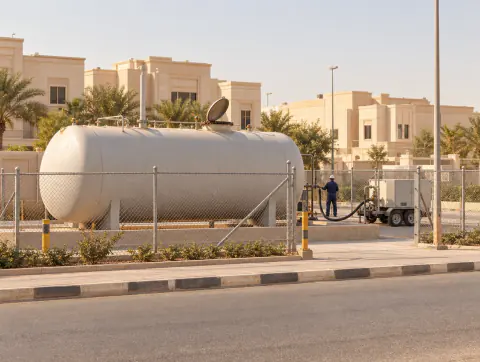
A rooftop tank sits directly on the roof, which means it absorbs intense heat in summer and collects the dust and sandstorm grit on and around its lid. Fine particles find their way inside through the vents or any loose seal on the cover, and they settle on the walls and floor and build up over time. The heat also encourages growth on the inner surfaces that would not appear in a cooler, shaded tank.
Call or message us on WhatsApp, tell us your district and the tank capacity, and we agree a time that suits you. We take care of the full job and leave you with a clean tank from the inside out.
- Walls and floor
- Lid and vents
- Inlet and outlet pipes
What does rooftop-tank cleaning cover?
These are the parts the work goes through in a rooftop tank, depending on its condition and what you notice in the water.
- Inner walls
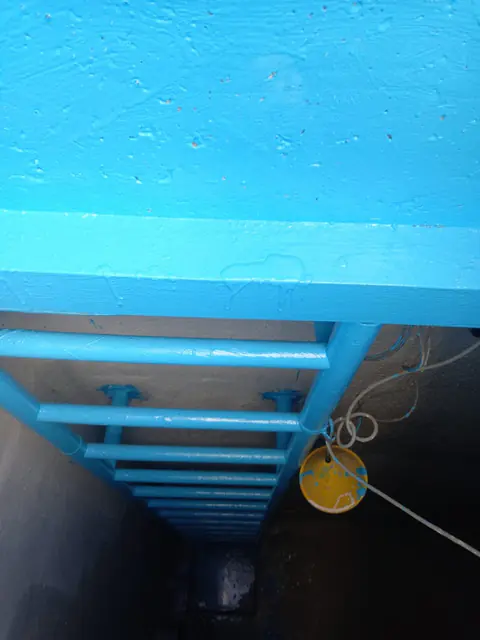
We inspect the walls and remove any layer of sediment or residue on them, as the inner walls are the surfaces most exposed to build-up in rooftop tanks because of the heat.
- Tank floor
Fine dust and sediment sink gradually to the floor and collect there, and we clear them from the bottom because they do not disappear simply by draining the water.
- Lid and its seal
We check the lid and confirm the seal around it is sound, because a loose lid lets dust and insects enter the tank directly.
- Vent openings
We check the vent openings and any dust that has collected around or partly blocked them, because correct ventilation prevents pressure build-up inside the tank.
- Inlet pipe
We inspect the point where mains water enters the tank and clear any sediment there, as build-up at the inlet sometimes indicates the main source of contamination in the tank.
- Outlet pipe and float valve
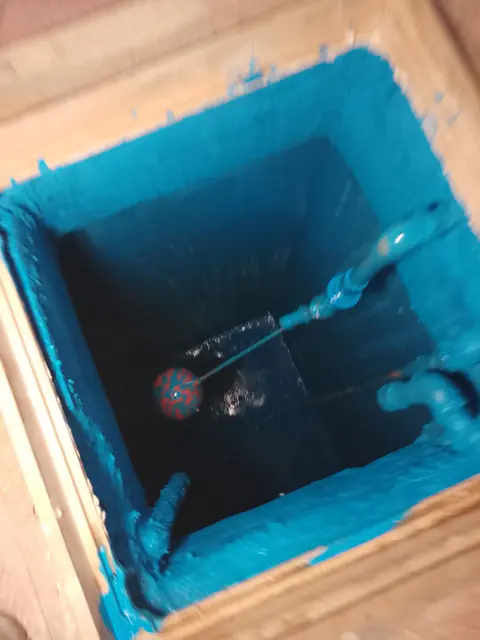
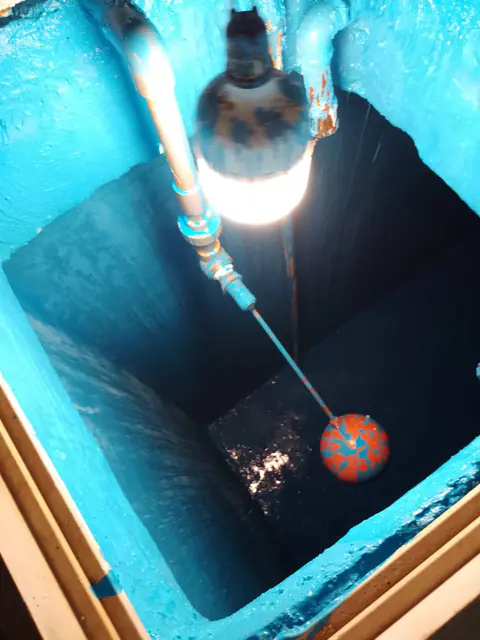
We check that the outlet pipe is clear of sediment and that the float valve is working properly, because a faulty float can cause the tank to overflow or stop filling.
How do we start?
Three simple steps, and we take care of the rest.
Call or message us on WhatsApp
Tell us the service you need and your district.
Tell us about your tank
Tell us what you notice in the water or the tank, which district you are in, and the tank capacity if you know it, so we can prepare the right way.
We agree a time and you prepare access
We settle on a time that suits you, and you make sure the roof and the tank are accessible and that you know where the main stop valve is.
We work and you check the result
We clean the tank from the inside and check its lid, vents and pipes. Once we refill it, you can check the water at the nearest tap and confirm it is clear and free from smell.
A service that comes to your door
- We come to youOur team arrives at your home with its equipment.
- One callCall or message us on WhatsApp and we arrange the rest.
- All tank services with one teamWe also handle ground-tank cleaning, water-tank painting, water tank insulation, water tank disinfection and fuel-tank cleaning.
- Describe it in your own wordsA call or a WhatsApp message is enough to explain the condition of your tank and what you need.
One worry is losing the water supply to the house while the work is on. We agree the time with you in advance and let you know how long the water will be off, so you can prepare and fill what you need before we start.
Photos of our work



























What our customers say
الف شكر لهم نظفو لي الخزان وعملو عزل كامل والشغل على اكمل وجهه
very good experience with this company.
Highly Recommended for underground and above ground water tank cleanlinessافضل شركه تنظيف منازل وخزانات بارك الله فيكم
Questions about Rooftop-tank cleaning
How do I know my rooftop tank needs cleaning?
Signs include cloudiness in the water when you first open the tap after a break, a faint smell specifically in hot water, or dark sediment at the bottom of a container after boiling. A rooftop tank is exposed to high roof-level temperatures, which causes build-up to form at a faster rate than in a shaded tank.
What changes the details of cleaning a rooftop tank?
The capacity of the tank, the way to reach the roof, and the material the tank is made from, whether concrete, plastic or fibreglass, all affect the work. The condition of the inner walls, the age of the tank, and whether it has been painted inside before are also factors. We ask you about these when you call.
Does the position of the rooftop tank affect the cleaning?
Yes, a tank sitting in a fully exposed corner takes on more heat and dust than one under a shade structure or beside a wall that shelters it. If reaching it means crossing a narrow roof or using an external staircase, that is also part of planning the job. Tell us where the tank sits and what surrounds it when you call so we can prepare accordingly.
Does the tank material affect how it is cleaned?
Yes, plastic and fibreglass tanks have relatively smooth walls and need tools that will not scratch the surface, while concrete tanks may be painted inside and the condition of that paint determines whether the tank needs repainting after cleaning. That is why we ask about the type when you call.
What should I check in my rooftop tank after the work is done?
Open the tap closest to the tank and let the water run for a moment, and check that it is clear with no cloudiness or smell. Also check that the tank fills normally and does not overflow, as that tells you the float valve is working as it should. If you notice anything unusual, let us know.
Related services
Have a look at services close to this one.