Geckos do not arrive by chance they follow the insects
Geckos feed on small insects such as mosquitoes and moths, so when one appears in your home it has found food and found a way in. They climb walls and ceilings on their padded feet and hide behind light fittings, picture frames, skirting boards and kitchen shelves, becoming active after sunset when the lights come on.
Tell us what you are seeing, which room the gecko appears in and how often, and give us your district. We agree a time to treat the hiding places and the gaps it is using.
- Hiding spots
- Gaps and entry points
- Walls and ceilings
What does gecko control cover?
These are the spots and surfaces the work covers, depending on the condition of the place and what you notice in it.
- Common hiding spots
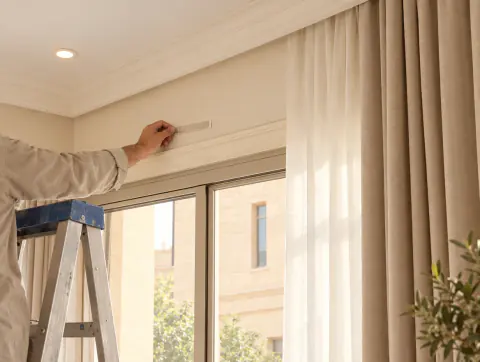
We check behind light fittings, picture frames, ceiling edges and corners, the places where geckos spend the day before coming out at night.
- Gaps and cracks
We inspect cracks in walls, gaps around pipes, AC openings and window frames, since geckos can push through very narrow gaps because of how flexible their bodies are.
- Cable and pipe entries
Openings where electrical cables and pipes pass through walls and ceilings are common routes for geckos when they have not been sealed properly.
- Kitchen area and shelving
Heat and moisture in the kitchen draw small insects, which is why geckos frequent this area more than other parts of the home.
- Outer walls near windows
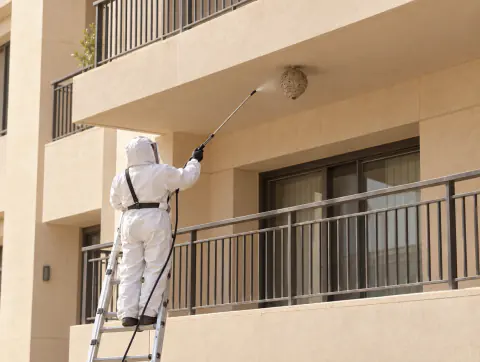
Geckos climb outer walls towards window light to catch the insects gathering there, and enter when a window is open or when they find a gap in its frame.
- Ceilings and internal cornices
Small geckos spend long periods on ceilings and behind plaster cornices, staying still enough that they go unnoticed until they move.
How do we start?
Three simple steps, and we take care of the rest.
Call or message us on WhatsApp
Tell us the service you need and your district.
Tell us what you notice
Tell us which room the gecko appears in, whether you see it at night or during the day, roughly how often, and which district you are in.
We agree a time
We settle on a time that suits you. The best preparation on your side is to keep children and pets away and cover kitchen surfaces during the treatment.
Treatment and check
We treat the hiding spots and the entry points. After the work, check the usual rooms at night after a few days and let us know if geckos are still appearing.
A service that comes to your door
- We come to youOur team arrives at your home with its equipment.
- One callCall or message us on WhatsApp and we arrange the rest.
- Same team for other pest workWe also handle cockroach control, ant control, bed bug control, rodent control and others in the list below.
- Describe what you seeCall or message us on WhatsApp, describe what you are seeing at home, and we agree a time.
One worry is the effect of the treatment on people and pets in the home. Keep children and pets away during the work, cover kitchen surfaces, and open the windows afterwards. Tell us about your home when you call, we agree on what suits you, and you leave the rest to us.
Photos of our work




























What our customers say
شغل ممتاز وتعمل جدان ممتاز وشغل مشاء الله
١٠/١٠ ما شاء الله
ثاني تجربة لي معهم ،، يعطيهم العافية
ممتازين جداً وسريعين 👍🏻
Questions about Gecko control
How do I know the gecko in my home is a real problem and not a one-off visit?
One sighting may mean a gecko got in by chance and moved on. But if it appears regularly in a particular room, or you see more than one, it has found shelter and a food source inside. At that point treating the problem is more effective than waiting.
What should I prepare before you come for gecko control?
Cover exposed kitchen surfaces, put away utensils and close drawers. Keep children and pets out during the treatment, and let us know if there is a gap or vent in a hard-to-reach spot so we can prepare for it.
The gecko only appears at night; is that normal?
Yes, geckos are naturally nocturnal and hide during the day. They come out after sunset, especially where indoor and outdoor lighting attracts the small insects they feed on. Seeing one only at night does not mean it is absent during the day; it is simply in its hiding place.
What should I check after the treatment is done?
Watch the usual rooms at night in the following days and look for any repeat appearances. Also check the cracks and openings we pointed out to see if they need permanent sealing. Let us know if the gecko keeps showing up and we will follow up with you.
Does the intense summer heat bring more geckos indoors?
In summer small insects are more active at night because of the warm air, which gives geckos a richer food source near lit homes. The heat stored in outer walls during the day also makes those walls a comfortable route for geckos climbing towards gaps and windows.
Related services
Have a look at services close to this one.