Concrete absorbs water insulation stops it
A concrete tank is built to last, but concrete is porous, and the intense summer heat speeds up the cycle of expansion and contraction as temperatures swing. Fine cracks open at joints, corners and along walls, and through them water seeps out or ground moisture finds its way in.
We start by inspecting the tank and locating weak joints and cracks, then we clean the surface thoroughly before any insulation is applied, treat the joints and cracks, and coat the walls, floor and ceiling. Call or WhatsApp us, tell us your district, the tank size and what you have noticed, and we agree a time.
- Walls and floor
- Joints and cracks
- Ceiling and edges
What does concrete-tank insulation cover?
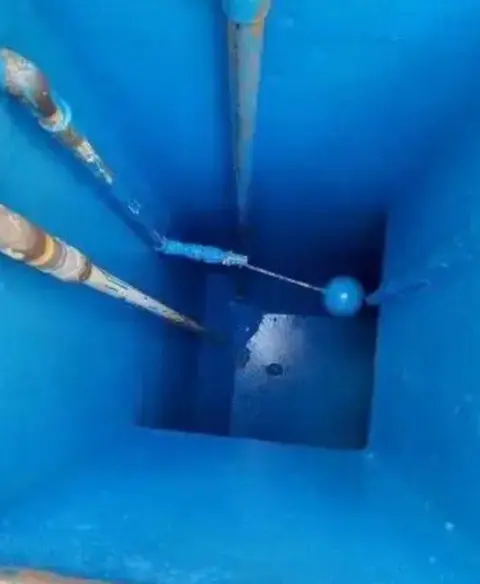
These are the parts the work goes through in a concrete tank, depending on its condition and any cracks or damp that appear in it.
- Walls and corners check
We inspect all four walls and the corners for cracks and damp patches, because corners carry the most stress as concrete expands and contracts.
- Joint and crack treatment
We fill structural joints and fine cracks with a flexible material before the insulation coat, because joints are the first path water takes through a concrete tank.
- Floor insulation
We insulate the tank floor with care because it bears the constant weight of the water and rising damp from the ground in buried or semi-buried tanks.
- Internal wall insulation
We apply the insulation coat to the internal walls after cleaning the surface and removing any loose material, because a clean surface is what makes the insulation bond.
- Tank ceiling and edges
The ceiling is sometimes overlooked, but it is exposed to moisture and condensation from inside, so we treat it along with the edges to complete the full coat.
- Pipe entries and openings
Where pipes enter and vents open are weak points where small cracks form around them, and we seal these as part of the work because they are a common source of leaks.
How do we start?
Three simple steps, and we take care of the rest.
Call or message us on WhatsApp
Tell us the service you need and your district.
Tell us what you notice
Tell us whether you see damp outside the tank, cracks in its walls or a drop in the water level, which district it is in, and whether it is a rooftop or ground tank.
We agree a time and you prepare
We settle on a time that suits you, and you empty the tank completely before the appointment and shut off the water supply so the surface is dry for the work.
The work and what to check after
We inspect the walls, treat cracks and joints and apply the insulation coat, then you wait for the layer to set fully before refilling, and check afterwards that the damp on the outside has gone.
A service that comes to your door
- We come to youOur team arrives at your home with its equipment.
- One callCall or message us on WhatsApp and we arrange the rest.
- Other tank work with the same teamWe insulate ground tanks, rooftop tanks, steel and fibreglass tanks, and we clean and disinfect tanks too.
- Describe your tank in your own wordsA call or a WhatsApp message is enough to describe your tank and what you have noticed.
One worry is that insulating a concrete tank means breaking into the structure or cutting off water for a long stretch. In most cases the work involves emptying the tank, preparing the surface and applying the insulation coat, with no structural work needed. Tell us what you see and we take care of the rest.
Photos of our work



























What our customers say
افضل شركه تنظيف منازل وخزانات بارك الله فيكم
very good experience with this company.
Highly Recommended for underground and above ground water tank cleanlinessالف شكر لهم نظفو لي الخزان وعملو عزل كامل والشغل على اكمل وجهه
Questions about Concrete-tank insulation
Can a concrete tank be insulated without breaking its walls?
Yes, in the common case insulation is applied directly to the concrete surface after cleaning and removing loose material, with no breaking needed. Breaking the wall is only necessary when the damage goes deep into the concrete itself, and we assess that during the inspection.
My tank has old cracks, will insulation alone stop the leak?
Cracks are treated first with a material that fills and seals them before the insulation coat goes on, because coating over a wide crack alone will not stop the leak. The type and depth of treatment is decided after seeing the cracks and agreeing with you on what suits your tank's condition.
What affects the cost of insulating a concrete tank?
The cost depends on the tank size and the surface area to be insulated, the number of cracks and joints that need treatment, and how easy it is to reach the tank. We agree on a price after you describe your tank's condition when you call.
How long do I wait before refilling the concrete tank after insulation?
The insulation coat needs enough time to dry and harden fully before the tank is refilled, and that time varies by the material type, its thickness and the air temperature. We tell you the right waiting period when the work is done.
How does concrete-tank insulation differ from fibreglass-tank insulation?
A concrete tank is porous and cracks over time, so it needs crack treatment and pore sealing before the insulation coat. A fibreglass tank has a smooth non-porous surface, but its need for insulation varies with age and condition. Each tank has its own requirements and we discuss those with you when you call.
Related services
Have a look at services close to this one.