The rooftop sun reaches your tank water
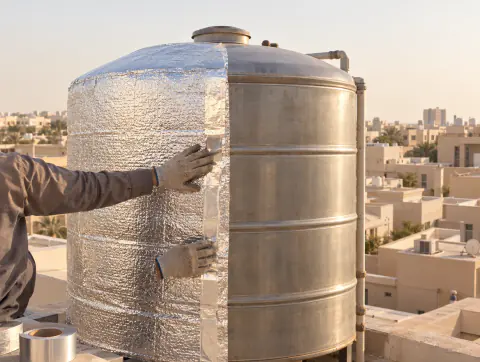
A rooftop tank has no roof above it and no shade around it. It stands exposed sun from dawn to dusk, and in summer its surfaces absorb intense heat. That heat passes through the walls and warms the water inside. When the insulation layer is old or missing, the surfaces crack and leaks can start at the base or along the joints.
Call or message us on WhatsApp, tell us your district, the size of the tank and what you have noticed, and we agree a time. The position on the rooftop and the material the tank is made from both affect how the job goes, and we ask about those when you call.
- Roof slab and walls
- Base and corners
- Joints and openings
What does rooftop-tank insulation cover?
These are the parts the work covers on a rooftop tank, depending on its condition, the material it is built from and what you have noticed.
- The tank roof slab
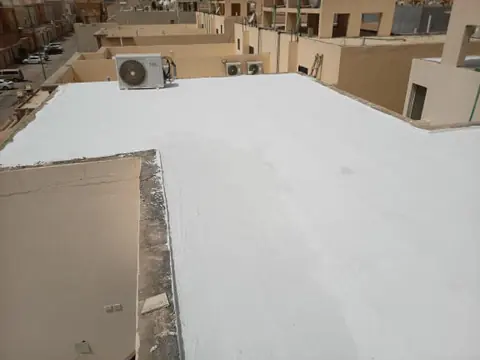
The roof slab takes the most direct sun and is usually where cracking starts, so it is treated first to cut heat entry and stop water pushing through from above.
- The outer walls
The outer walls absorb rooftop heat and transfer it to the water inside. We treat their outer surface to reduce that transfer and protect the material from repeated thermal expansion.
- The base and roof contact
The base sits directly on the roof slab or tiles, and that contact point is a source of moisture and leaks. We treat this area carefully because it is often overlooked.
- Corners and edges
Corners and edges are the weakest points on any tank. Thermal stress and expansion concentrate there, and the fine cracks that widen over time usually begin at these spots.
- Joints and openings
Pipe entries, inspection covers and any joint between two sections are potential leak paths. We treat their edges to keep the insulation layer continuous around each opening.
- Inner walls when needed
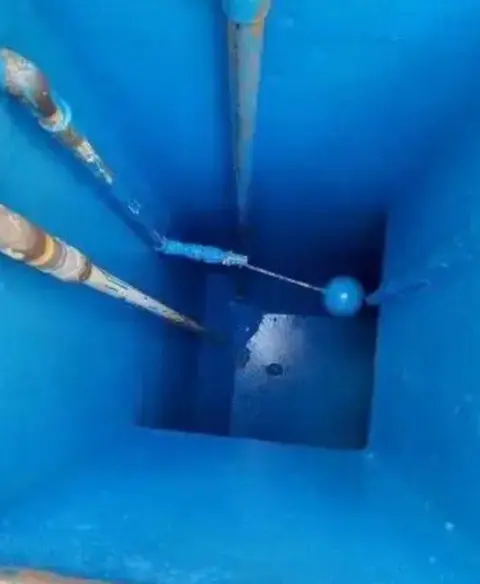
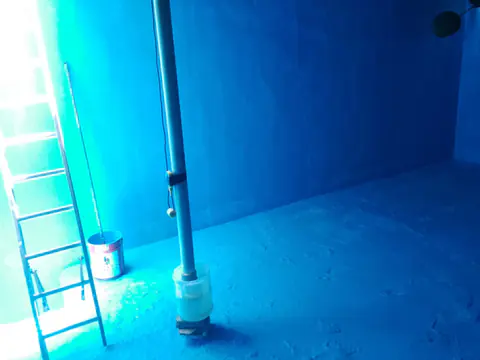
If the tank needs inside-tank insulation as well, we agree that with you when you describe what you have noticed, since that is a related service the same team carries out.
How do we start?
Three simple steps, and we take care of the rest.
Call or message us on WhatsApp
Tell us the service you need and your district.
Tell us about your tank
Tell us what you have noticed, which district you are in, what the tank is made of if you know, and whether it has been insulated before.
We agree a time and you prepare
We settle on a time that suits you. Empty the tank before the appointment and make sure the rooftop is safely accessible.
We do the work and you check after
We treat the roof slab, walls, base, corners and joints, then you wait the agreed time before filling and check that there are no signs of leaking.
A service that comes to your door
- We come to youOur team arrives at your home with its equipment.
- One callCall or message us on WhatsApp and we arrange the rest.
- All tank types with one teamWe insulate ground tanks, concrete tanks, fibreglass tanks and steel tanks, work inside and outside, and carry out water tank cleaning and water tank disinfection too.
- Describe what you notice in your own wordsA call or a WhatsApp message is enough to describe your rooftop tank, and we agree a time from there.
One worry is having to empty the tank and cut off water to the whole home. A rooftop tank is insulated while empty, and that actually makes the work cleaner and protects the insulation layer. Tell us what time suits you and we take care of the rest.
Photos of our work



























What our customers say
افضل شركه تنظيف منازل وخزانات بارك الله فيكم
very good experience with this company.
Highly Recommended for underground and above ground water tank cleanlinessالف شكر لهم نظفو لي الخزان وعملو عزل كامل والشغل على اكمل وجهه
Questions about Rooftop-tank insulation
The water is hot in summer, is that the rooftop tank or the pipes?
If the water comes out hot the moment you open the tap and then cools down, the rooftop tank is the likely cause, as it holds the largest volume exposed to direct sun. If the heat continues while the pump runs, exposed pipes on the roof may also be a factor. Mention this when you call so we can agree on what suits your situation.
What should I check on my rooftop tank before I call?
Look at the outer surfaces of the tank for cracks, flaking or damp patches around the base. Also note whether you know when the tank was last insulated. This information helps us assess the work when you describe things to us.
Does the rooftop tank have to be completely empty before insulation?
Yes, insulation is applied to dry, clean surfaces so it bonds properly. A full or damp tank prevents the material from adhering, so emptying and drying it is agreed before the appointment. This is one of the first things we discuss when you call.
What affects how a rooftop tank is insulated?
The tank material has a direct effect: a concrete tank is insulated differently from a fibreglass or steel one. The size of the tank, the current condition of its surfaces, whether it has been insulated before and how easily all four sides can be reached on the rooftop all play a part. All of this is discussed when you call.
I can see fine cracks in my rooftop tank walls, does insulation seal them?
Fine surface cracks are generally treated during the preparation stage before the insulation is applied. Deeper or wider cracks may need structural attention first. When you call, describe what you see and give us a rough sense of their size, so we can agree on the right steps.
Related services
Have a look at services close to this one.