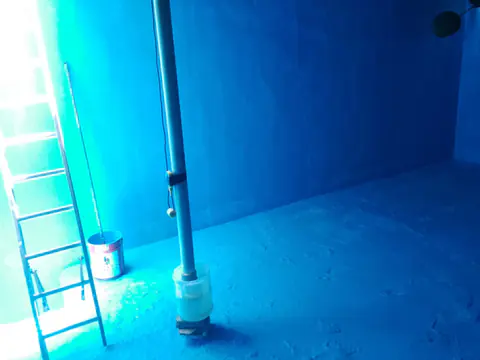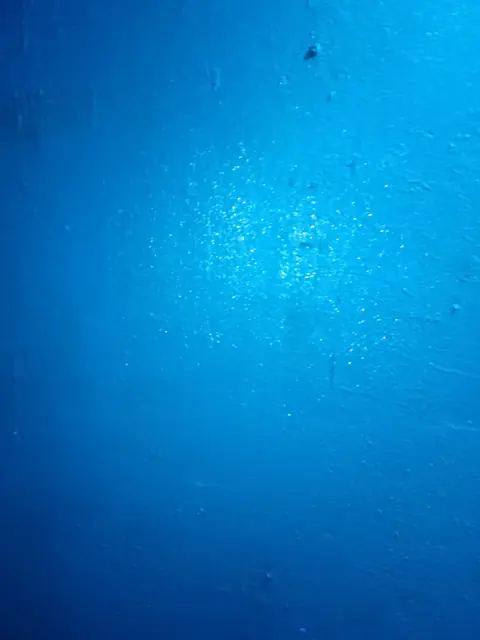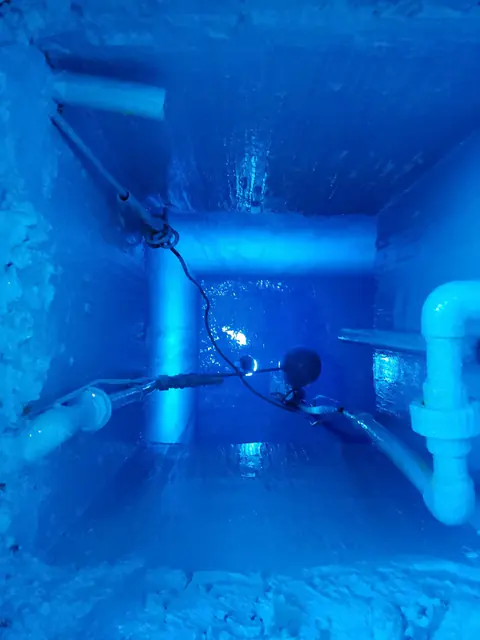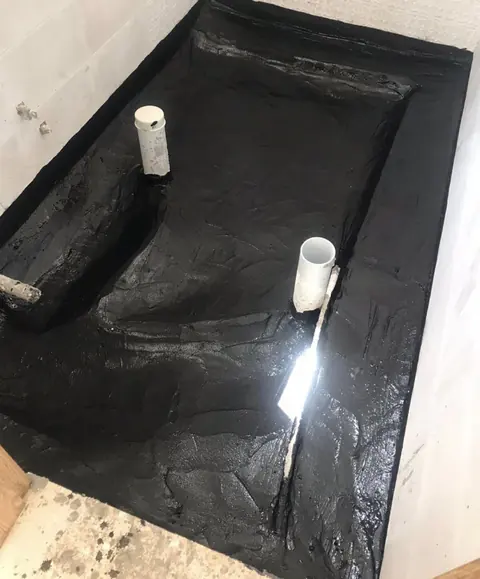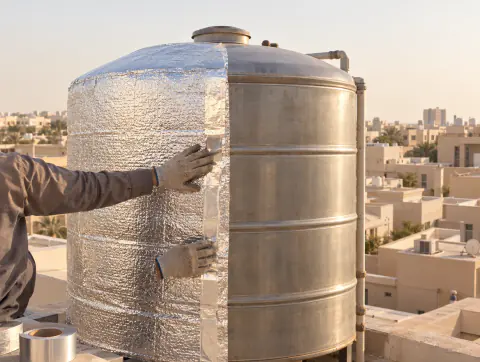
Steel corrodes when insulation fails
A steel tank fails differently from concrete or fibreglass: the intense summer heat and the condensation that forms inside work together to oxidise the metal surface and start corrosion from within. Rust often advances well before you notice it in the water's colour or smell.
Call or message us on WhatsApp, tell us your district and what you have noticed about the tank or the water, and we agree a time and take care of treating and insulating the steel surface.
- Steel walls and rust
- Base and corners
- Lid and openings
What does steel tank insulation cover?
These are the parts the work goes through in a steel tank, depending on the surface condition and the degree of corrosion found on inspection.
- Removing existing rust
We remove rust already formed on the steel walls before any other step, because applying insulation over a corroded surface hides the damage rather than stopping it.
- Cleaning the metal surface
The inner surface is cleaned of deposits, sediment and grease so the insulation layer bonds directly to the metal with no air gaps between them.
- Inner tank walls
The metal walls are treated with a protective layer that breaks contact between water and steel, stopping the oxidation cycle that starts from that direct contact.
- Base and corners
The base and corners of a steel tank are where sediment and moisture collect most, so they receive particular attention to make sure the coverage is complete.
- Lid and openings
The lid edges and the inlet and outlet openings are checked because they are weak points where damp air enters the tank, and any that need treatment are dealt with.
- External thermal cover
When the steel tank sits on a rooftop exposed to direct sun, an external thermal insulation layer is added to lower the water temperature and protect the tank body.
How do we start?
Three simple steps, and we take care of the rest.
Call or message us on WhatsApp
Tell us the service you need and your district.
Describe the tank
Tell us what you notice: visible rust, a change in water colour or smell, which district you are in, and whether the tank is on the roof or elsewhere.
We agree a time
We settle on a time that suits you, and you empty the tank before the appointment and make sure there is enough access to it.
Treatment and insulation
We treat the rust, clean the surface and apply the insulation, then we agree with you on the waiting time before filling and the things to check once the tank is full.
A service that comes to your door
- We come to youOur team arrives at your home with its equipment.
- One callCall or message us on WhatsApp and we arrange the rest.
- All tank services with one teamWe insulate ground, rooftop, concrete and fibreglass tanks, and we clean and disinfect tanks too.
- Describe it in your own wordsA call or a WhatsApp message is enough to explain what you notice about your steel tank.
One worry is filling the tank only to find the insulation was incomplete or the rust was never properly treated. That is why we start by inspecting the surface and clearing what has formed on it before any application, and when the work is done we agree with you on what to check before the tank is refilled.
Photos of our work




























What our customers say
افضل شركه تنظيف منازل وخزانات بارك الله فيكم
very good experience with this company.
Highly Recommended for underground and above ground water tank cleanlinessالف شكر لهم نظفو لي الخزان وعملو عزل كامل والشغل على اكمل وجهه
Questions about Steel tank insulation
How do I know my steel tank needs new insulation?
Visible rust on the inner walls or the underside of the lid is a clear sign. A faint reddish tint in the water or a metallic smell also point to direct contact between the steel and the water. If the last treatment was a long time ago, an inspection is a sensible step.
Does a steel tank have to be completely empty before insulation?
Yes, the tank must be completely empty before we start, because treating rust and cleaning the metal surface both require a fully dry surface for the insulation to bond. Any remaining moisture weakens the adhesion and shortens the life of the protective layer.
What affects how a steel tank is insulated?
The size and position of the tank matter, whether it is on a rooftop or in an enclosed space, as does the condition of the metal surface and the extent of corrosion, and whether an external thermal layer is needed to deal with sun heat. We go through all of these with you when you call.
Do I need to clean the steel tank before the insulation appointment?
Emptying the tank of water is what you need to do before the appointment. Cleaning the walls, removing sediment and treating rust are all part of the job itself, and we carry them out before the insulation is applied.
What do I check after filling the steel tank for the first time?
Check that the water colour is normal and that there is no metallic smell, and look at the outside of the tank walls to confirm there is no leakage at the openings or edges. If you notice anything unusual, let us know as soon as you do.
Related services
Have a look at services close to this one.