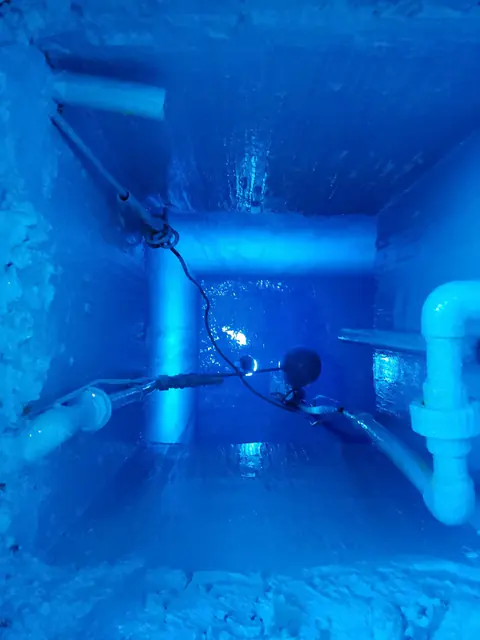
The tank's inner wall is where seepage starts
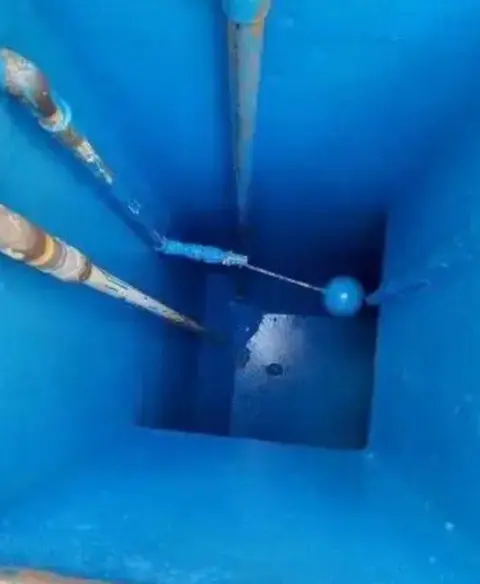
The inner surface of a water tank is exposed to constant moisture and the sharp temperature swings that summers bring. Fine cracks form in concrete and the walls deteriorate slowly. Water seeps through those cracks, and algae or sediment can grow on the exposed inner surface and reach the water supply.
Tell us what you notice in your tank and where it sits, then call or message us on WhatsApp with your district and we agree a time to inspect the inner surface and apply the right insulation layer.
- Walls and floor
- Corners and openings
- Inner insulation layer
What does inside-tank insulation cover?
These are the parts the work goes through inside the tank, depending on the surface condition, the tank type and what you notice in it.
- Inner walls
We inspect the inner walls for cracks, porosity and worn patches, then prepare the surface and apply the insulation layer to stop water moving through it.
- Tank floor
The floor bears the constant weight of the water and is the part most prone to sediment build-up and cracking, so we seal it with a layer that connects to the wall insulation.
- Corners and joints
The joints where walls meet the floor are the first weak points in any tank, because concrete expands and contracts with heat and cracks start there, so we treat them carefully before applying the general insulation layer.
- Areas around pipe openings
The inlet and outlet openings and the surrounding wall are prone to seepage behind the fitting, so we seal them and complete the insulation layer around them to stop water collecting behind the pipe.
- Top-opening surround
The inner edge of the access opening is exposed to moisture and dirt, and we treat it as part of the job so it stays a continuous surface with the rest of the inner insulation.
- Surface preparation
An inner insulation layer will not bond to a wet or crumbling surface, so we dry the tank and remove sediment, algae and any old cracked coating before we start.
How do we start?
Three simple steps, and we take care of the rest.
Call or message us on WhatsApp
Tell us the service you need and your district.
Tell us about the tank
Tell us what you notice: a smell in the water, algae, or damp around the tank, and where the tank sits in your home and which district you are in.
We agree a time and what to prepare
We settle on a time that suits you, and you empty the tank before the appointment and make sure the access opening is reachable.
We do the work and you check after
We dry the surface, remove any residue, and apply the insulation layer to the walls, floor, corners and openings. Afterwards, check that the inner surface is continuous with no uncovered patches.
A service that comes to your door
- We come to youOur team arrives at your home with its equipment.
- One callCall or message us on WhatsApp and we arrange the rest.
- All tank services with one teamWe also do Ground-tank insulation, Epoxy tank insulation, Outside-tank insulation, Water tank cleaning and Water tank disinfection.
- Describe the tank in your own wordsA call or a WhatsApp message is enough to tell us what you notice and where the tank is.
One worry is having no water in the home for the whole job. You do need to empty the tank before the work starts, and the waiting time before it can be refilled depends on the type of insulation material, the tank size and the surface condition. Those details are agreed with you when you call. Describe your tank to us and leave the rest to us.
Photos of our work



























What our customers say
very good experience with this company.
Highly Recommended for underground and above ground water tank cleanlinessافضل شركه تنظيف منازل وخزانات بارك الله فيكم
الف شكر لهم نظفو لي الخزان وعملو عزل كامل والشغل على اكمل وجهه
Questions about Inside-tank insulation
What signs tell me the inside walls of my tank need insulating?
Clear signs include algae or dark deposits on the inner walls when the tank is opened, a smell in the water that does not go away after cleaning, or damp patches on the outside of the tank body. Any of these is a reason to inspect the inner surface.
Does the tank have to be completely empty before inside insulation?
Yes, because the insulation layer will not bond to a wet surface. Good preparation, meaning drying the surface and removing deposits and algae, is a basic condition before any inner insulation material is applied, and it is what we start with when we arrive.
What affects the cost of inside-tank insulation?
The price depends on the tank size, what it is made of, the inner surface condition and how easy it is to reach the access opening. A small tank with a sound surface differs from a large one with algae and cracks that need treating first. Price details are agreed after you describe the tank to us.
How long do I wait before filling the tank after inside insulation?
The waiting time varies with the type of insulation material, the tank size and the ventilation. Some materials need longer to dry fully and be suitable for contact with drinking water. We tell you the right period when the work is done.
Do I need to clean and disinfect the tank after inside insulation?
It is usual to clean and disinfect the tank before filling it after any inside work, to remove job residue and make sure the water is clean. The same team does Water tank cleaning and Water tank disinfection, and you can arrange that with us when you call.
Related services
Have a look at services close to this one.