Your tank walls absorb moisture epoxy stops that
Concrete and steel water tanks develop fine pores and hairline cracks over time, letting water seep out or letting contaminants in. In the intense summer heat and the large gap between day and night temperatures accelerate surface cracking, and the first signs often appear in the colour or smell of the water before any visible leak shows.
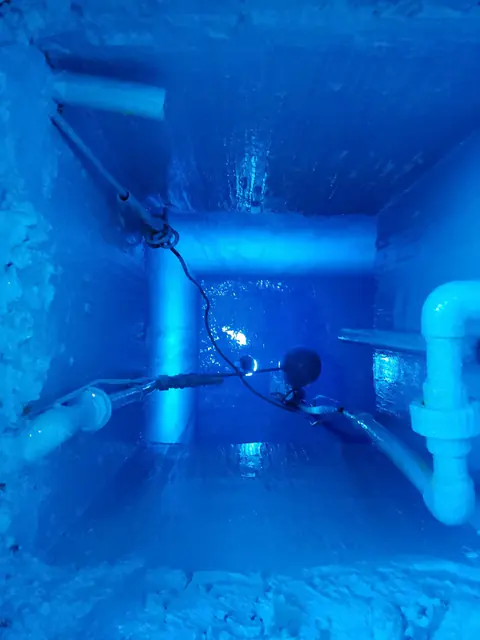
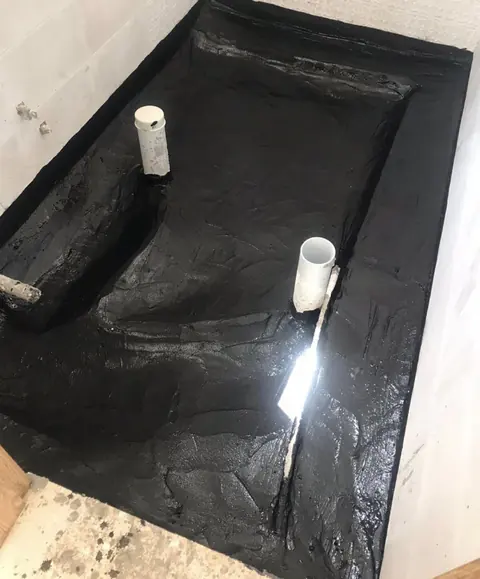
Epoxy is applied to the inside surface of the tank, where it hardens into a continuous layer that closes the pores and separates the walls from the water. Call or WhatsApp us, tell us your district, the type of tank and what you have noticed, and we agree a time.
- Tank walls and base
- Epoxy lining
- Drain points and joints
What does epoxy tank insulation cover?
These are the parts the work goes through in your tank, depending on its condition and the material it is made from.
- Inside tank walls
The walls are checked for pores and cracks before the epoxy goes on, because a cracked surface stops the layer from bonding in one continuous coat.
- Tank floor and base
Sediment and moisture collect at the bottom more than anywhere else, and applying epoxy to the floor addresses the part that takes the most wear.
- Corners and wall junctions
Corners are the first place hairline cracks appear because they carry the water pressure, and they need careful attention so the layer stays continuous at those points.
- Drain openings and pipe joints
Small gaps form around drain openings and pipe fittings, and the epoxy covers the edge of each opening to close them.
- Surface preparation
The inside surface is cleaned of deposits, rust and algae before the epoxy is applied, because the bond depends on the surface being clean and dry.
- Curing period
After application the epoxy needs time to harden before the tank is filled, and the waiting period is agreed when you book, depending on the tank size and ventilation.
How do we start?
Three simple steps, and we take care of the rest.
Call or message us on WhatsApp
Tell us the service you need and your district.
Tell us about your tank
Describe what you notice: a change in the water's taste or colour, a visible leak, what your tank is made of (concrete or steel), and which district you are in.
We agree a time and you prepare
We agree a suitable time, and you drain the tank, cut the water supply, and make sure there is clear access to the entry opening.
The work and what to check after
We clean the surface then apply epoxy to the walls, floor, corners and openings; once curing is done, check for any smell or leaks when you fill the tank the first time.
A service that comes to your door
- We come to youOur team arrives at your home with its equipment.
- One callCall or message us on WhatsApp and we arrange the rest.
- All other insulation types with the same teamWe also handle ground-tank insulation, rooftop-tank insulation, concrete-tank insulation, fibreglass tank insulation, steel tank insulation, inside-tank insulation and outside-tank insulation.
- Describe it in your own wordsA call or a WhatsApp message is enough to explain the condition of your tank and agree the next step.
One worry is how long the water will be off while the insulation work is done. The epoxy is applied to a dry surface and needs a curing period before the tank is refilled, and that period is agreed when you book so you can plan ahead and arrange accordingly.
Photos of our work



























What our customers say
very good experience with this company.
Highly Recommended for underground and above ground water tank cleanlinessالف شكر لهم نظفو لي الخزان وعملو عزل كامل والشغل على اكمل وجهه
افضل شركه تنظيف منازل وخزانات بارك الله فيكم
Questions about Epoxy tank insulation
When is epoxy the right choice for my tank?
Epoxy suits concrete and steel tanks that have fine pores, hairline cracks or walls that have started to corrode. If you notice a change in the taste or colour of your water without a clear reason, or you see sweating around the tank walls, those are signs worth checking.
Does the tank have to be completely empty before epoxy is applied?
Yes, the tank must be drained and left to dry before application. Epoxy bonds only to a dry surface, and any remaining moisture stops the layer from sticking properly and affects how well it holds. That is why we ask you to cut the supply and empty the tank before the appointment.
What do I check when I fill the tank for the first time?
Check around the outside of the tank for any leaks or damp patches, and pay attention to the smell and colour of the water at first use. Let us know if you notice anything unusual. In many cases the first fill is uneventful when the layer has cured properly.
Does a fibreglass tank need epoxy insulation?
Fibreglass tanks have different properties from concrete and steel and are treated in a way that suits them. Fibreglass tank insulation is a separate service we also handle, and when you call we ask about your tank type to decide the right approach.
Does the price of epoxy tank insulation change with the size of the tank?
Yes, the size of the tank is one factor that affects the price, alongside the condition of the inside surface, whether there are cracks or rust to treat before application, and how easy it is to reach the entry opening. We agree on the price after you describe your tank.
Related services
Have a look at services close to this one.