Your ground tank is buried and moisture seeps in silently
A ground tank is built into the earth, which means soil pressure presses on its walls from outside at all times while the stored water presses from within. When the insulation weakens or cracks, moisture starts moving in both directions, and its effects show up on the surrounding walls or in the taste of the water long before anyone identifies the real cause.
We start by hearing what you notice in or around your tank, and we look at the condition of the walls, the floor, the roof slab and how far any cracking has gone. Call or message us on WhatsApp, tell us your district, the tank size and the material if you know it, and we agree a time with you.
- Walls and floor
- Roof and openings
- Cracks and joints
What does ground-tank insulation cover?
These are the surfaces and parts the work goes through in a ground tank, depending on its condition and where cracks or damp appear.
- Inside walls
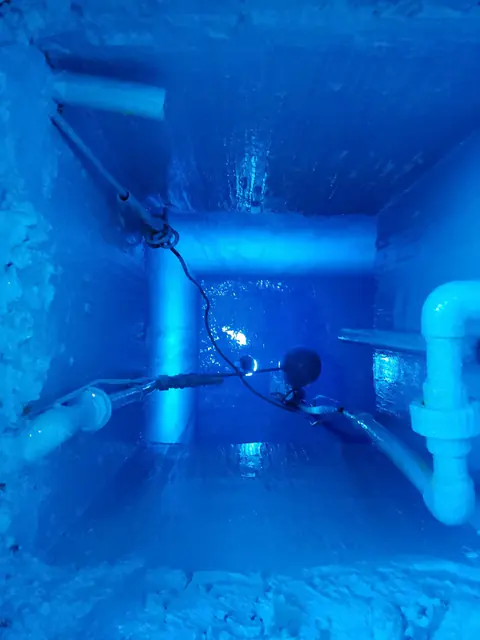
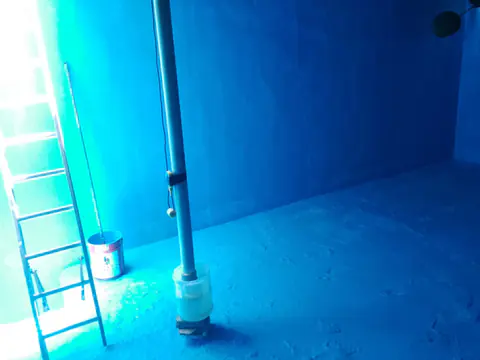
The inside walls are in direct contact with the stored water and are insulated to stop water passing through the concrete or masonry and to protect water quality.
- Tank floor
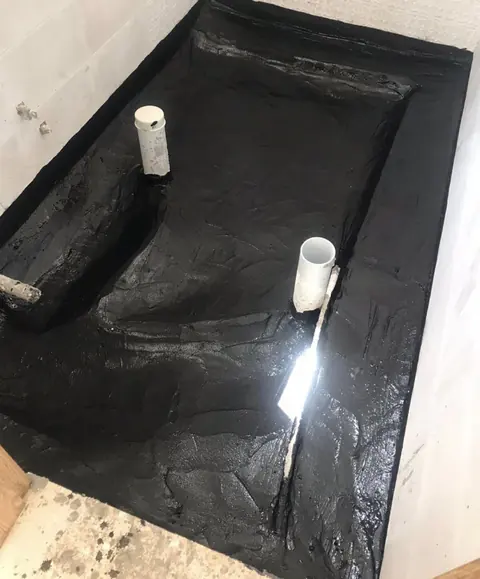
The floor bears the weight of the water above it and faces rising damp from the soil beneath, and insulating it closes both paths at once.
- Roof slab and cover
The roof slab sits buried or near ground level, and it faces damp from above along with any cracks that let water and air into the tank.
- Cracks and joints
Construction joints between walls, floor and roof are where leaks often begin, and they are treated before the general insulation layer goes on.
- Outer wall and base
The outer wall faces soil moisture and lateral pressure, and insulating it from outside stops the concrete absorbing water and weakening over time.
- Access opening and edges
The edges of the access opening are a common weak point in ground tanks, where moisture gathers and gaps widen as the concrete expands and contracts.
How do we start?
Three simple steps, and we take care of the rest.
Call or message us on WhatsApp
Tell us the service you need and your district.
Tell us what you notice
Describe what you see: cracks in the walls, damp around the base, a change in the taste or colour of the water, and which district the tank is in.
We agree a time and you prepare
We settle on a time that suits you, and the tank should be empty and the water supply turned off when work begins so the surfaces can dry properly.
We do the work and you check after
We treat cracks and joints, then apply the insulation layers to the agreed surfaces. After the curing period is done, check the surrounding walls and the base of the tank to confirm that the signs of damp are gone.
A service that comes to your door
- We come to youOur team arrives at your home with its equipment.
- One callCall or message us on WhatsApp and we arrange the rest.
- All tank services with one teamWe also do rooftop, concrete, fibreglass and steel tank insulation, inside and outside insulation, epoxy tank insulation, water tank cleaning and water tank disinfection.
- Just describe what you seeOne call or WhatsApp message is enough to explain your tank's condition and agree on what it needs.
One worry that comes up often is having the tank empty and the water off during the work. Insulation needs dry surfaces to bond properly, and that is a normal part of this kind of job. We agree the timing with you in advance so you can plan for it, and you leave the rest to us.
Photos of our work



























What our customers say
الف شكر لهم نظفو لي الخزان وعملو عزل كامل والشغل على اكمل وجهه
very good experience with this company.
Highly Recommended for underground and above ground water tank cleanlinessافضل شركه تنظيف منازل وخزانات بارك الله فيكم
Questions about Ground-tank insulation
What are the signs that my ground tank insulation has failed?
The clearest signs are damp patches or cracks on the walls around the tank, a base that stays wet around the cover, or a falling water level without obvious use. A change in the taste or colour of the water also suggests the concrete is absorbing moisture or that something is entering from outside.
Does the ground tank need cleaning before insulation?
Yes, cleaning is a necessary step before any insulation material is applied, because dirty surfaces or surfaces with algae residue do not bond properly. If the tank has not been cleaned recently, mention that when you call and we agree on the right order.
What should I prepare before the ground tank insulation visit?
Empty the tank before the appointment, turn off the supply, and make sure there is enough light inside the tank or around it. Let us know if the access opening is narrow or if someone needs to go down inside it.
When can I fill the ground tank after insulation?
Insulation materials need a curing and drying period before the tank is filled, and that period varies with the material type, layer thickness, temperature and humidity. We tell you the right period when we agree on the work.
How does ground tank insulation differ from rooftop tank insulation?
A ground tank faces soil pressure from outside and rising damp from below, which is different from a rooftop tank that is exposed to direct sun and high surface temperatures. The weak points and the surfaces that need most attention differ between the two cases, and each has its own service listed below.
Related services
Have a look at services close to this one.